
As a follow up to my previous post, where I reflected on my personal journey cleaning up in my grief, I wanted to post a practical guide to packing and cleaning after loss. This is intended for those experiencing it first hand as well as for the friends and family who want to help but aren’t sure how!
1. You can always throw it away later but you can’t get it back
My mom’s best friend lost her husband when she was the same age as I was and she had two young kids as well at the time. She was a vital resource and support for me in those early days! One of the first things she told me, other than condolences and words of love of course, was that when her husband died she threw everything out because she couldn’t bare to look at it or have it in the house but looking back she wishes she kept more. Early on after losing your loved one, you become very decision fatigued. There is so much to decide and so much to do. Add on to that the brain fog of grief and even the “simplest” task seems overwhelming. Know this, you don’t have to make a decision on everything that was theirs or yours together early on! You can put everything in boxes and go through it later when your fog has lifted. I tended to keep way more than I probably will ever really want or need. This was my thought process though, I can go through this in a year, five years, ten years and maybe each time find something to throw away. However, if I toss it now I’ll never get it back.
2. Take your time
Cleaning and packing do not have a set deadline! You will not receive any extra credit for doing so as quick as possible. Even going through one box or pile can be very mentally, emotionally, and even physically tasking. Every persons timeline will look so different, because every person is different, loss is different, and personality and needs are different. For some people it’s cleaning a parent or siblings house, not your own, and maybe even out of state. For some it’s a spouse and a home you shared. You may be someone that needs a clean space to have a clear head and want to work fast or perhaps, like my friend, you can’t bare to look at it and be reminded. So you can put things away and out of site without having to throw them away and feeling rushed!
3 Asking for help & being the help
“Let me know how I can help.” It’s a well meaning question, but it can be hard to respond to. It’s overwhelming, there’s often feelings of shame and embarrassment in asking for help, or sometimes it’s coming from someone you don’t know that well, and sometimes because of the mental fog you don’t know what you need or you don’t know how to prioritize all that there is to do. When offering to help, try giving specific choices instead of a vague offer for help.
You can also think outside the box. Taking the load off of someone through meal trains, yard work, watching kids, or groceries can help a grieving person have more time and mental space for the long list of to dos like cleaning and packing.
If there’s a close friend or family member it may be helpful to communicate through them. It’s very helpful to have a point person for all the extra questions, I jokingly referred to my Dad as my “project manager.” Though my Dad was mourning the loss of his son in law at the time, he was at a place where his mental clarity was much better than mine so he and my mom were vital.
4. Organize and label
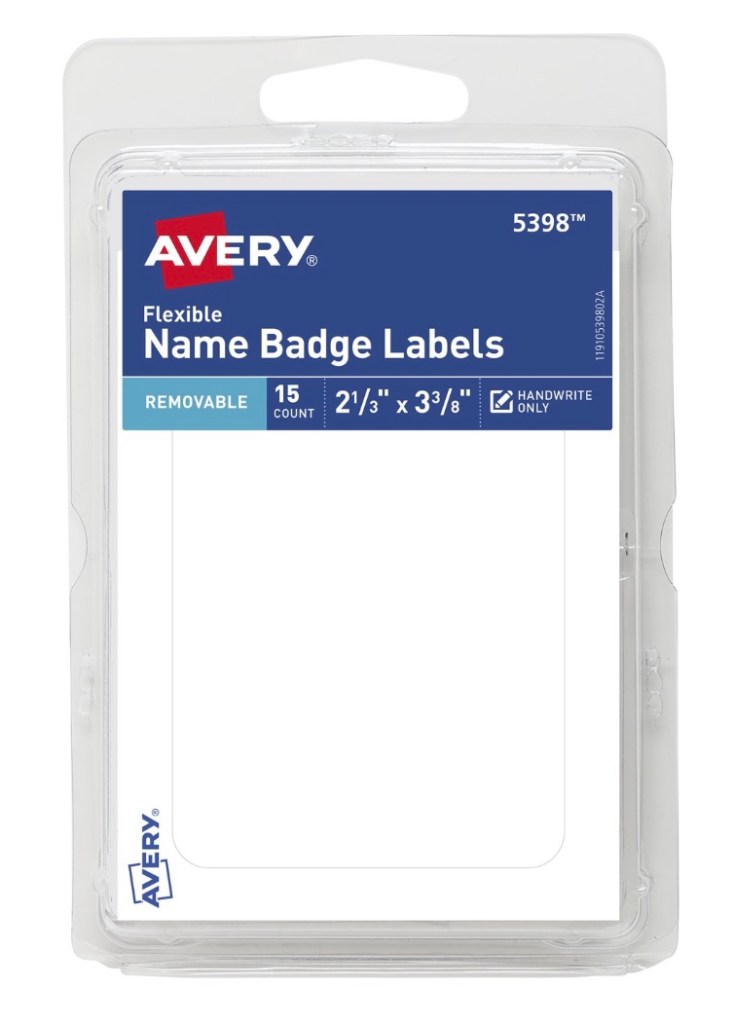
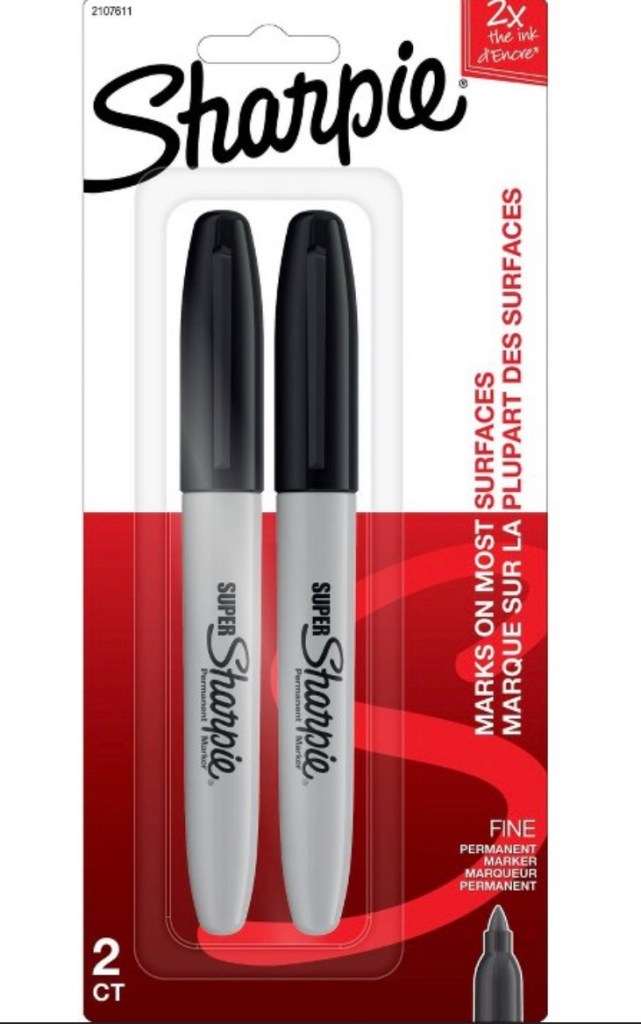
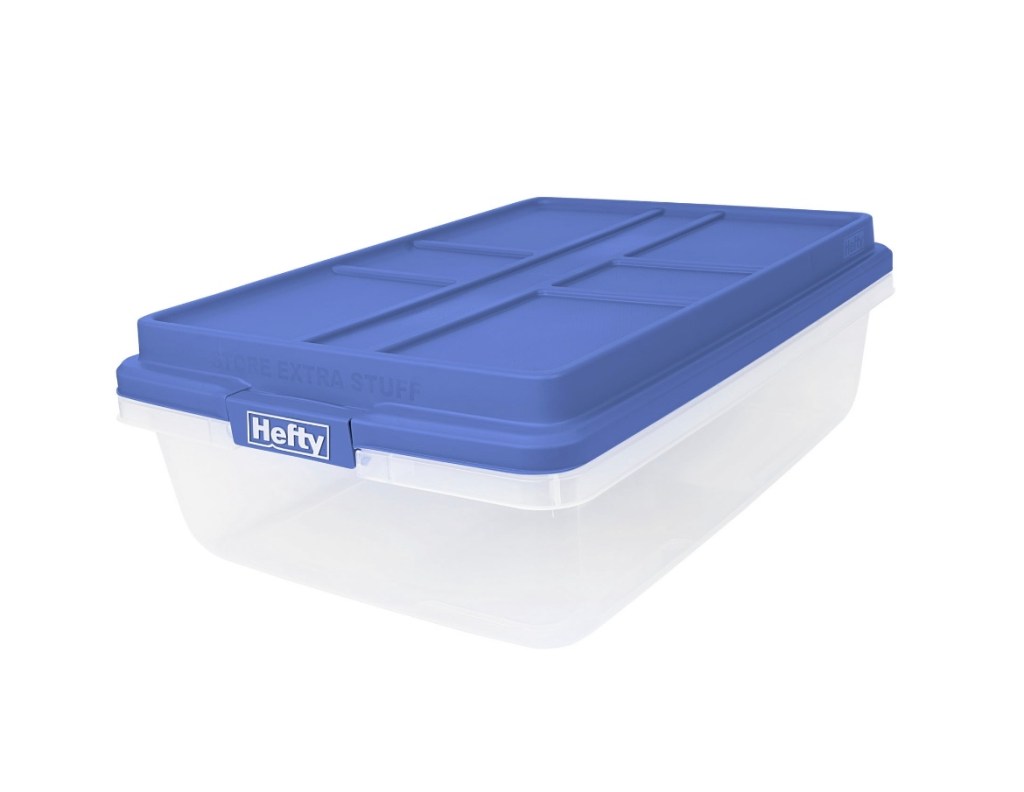
If you’re wanting to help a friend in a practical way, purchasing the supplies to organize is one unique, great idea. A very good friend brought over a ton of these clear Hefty Hi-Rise totes, a pack of name tag labels, and Super Fine Tip Sharpies. You can label it, see in it, and sort through more thoroughly when you’re ready.
5. Be patient
Be patient with yourself. Friends and family, be patient with your person. Don’t compare. Everyone journey and process is so different. Be proud of your progress! Even if it seems small, you’re doing big things, friend.
6. Keeping precious memories
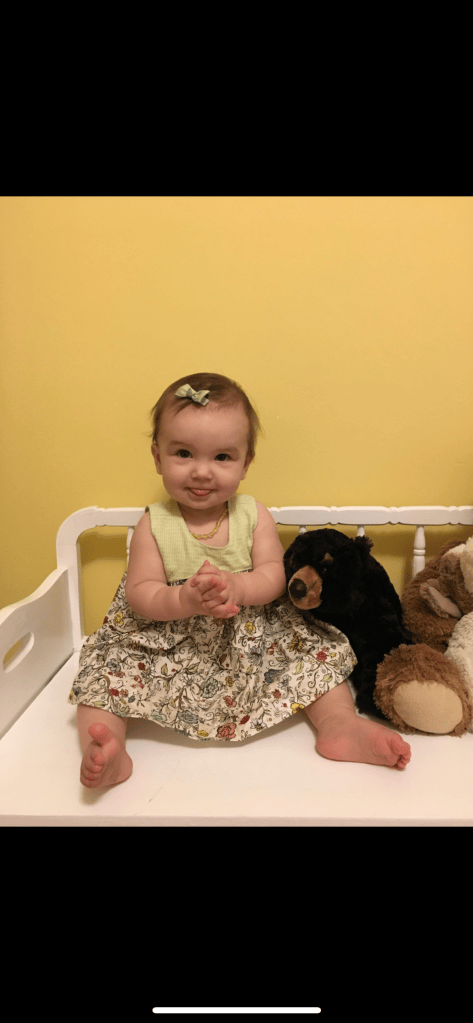
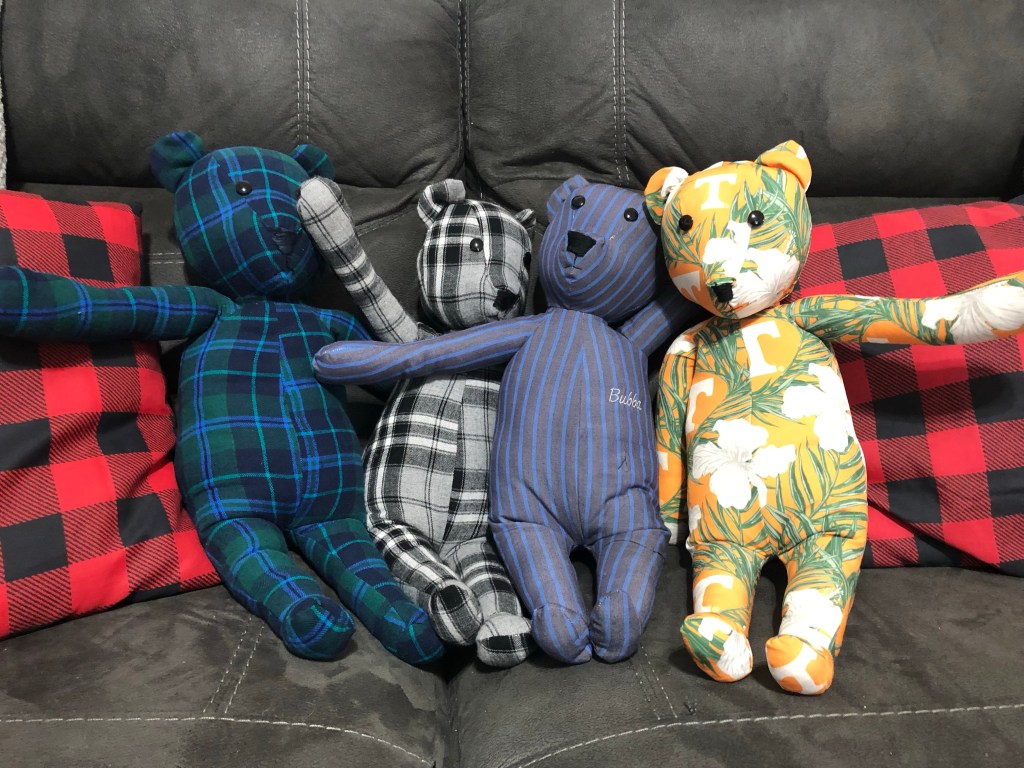
When initially labeling and sorting, there was obvious trash, there were the things I didn’t want to get rid of but didn’t really know what to do with, and then there were the really special items. I had a box of just shirts, but I also had a box of “Project Stuff” and anytime I found an extra special shirt that I may want for a project I put it in there. Here are some of my favorite projects with shirts! There are shirts that were my grandmothers made into outfits for my daughter and then some shirts of my late husband that were turned into pillows and teddy bears. Another unique and priceless gift to those who are grieving, I was so blessed by the friend who sewed these! My kids keeps their Daddy bears on their beds every night. I’ll have more in later posts on various ways we kept memories but specific to the cleaning, wanted to give the final tip of saving and marking as “projects.” When that project actually happens is up to you.




This is what worked for me and the advice and help I received! What was the process like for you? What was some of the most helpful advice or help you received?


Leave a Reply